
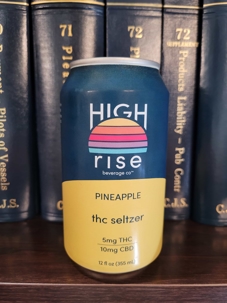
THC-infused drinks offer a new way to socialize without alcohol. These beverages are non-alcoholic drinks infused with cannabinoids like THC (tetrahydrocannabinol) or CBD (cannabidiol). In recent years they have surged in popularity nationwide as an alternative to beer or cocktails, especially as Americans trend away from alcohol. The cannabis drink industry is booming, with market experts projecting U.S. sales to reach billions of dollars in the next few years. South Carolina is now part of this trend: hemp-derived THC and CBD beverages began appearing here only a couple of years ago, but they have quickly gained a foothold in local stores and bars. Consumers are increasingly curious about these “buzz” drinks, and local entrepreneurs have responded by rolling out homegrown brands.
While we do not recommend anyone consume these beverages, drive after consuming them, or use them to avoid bond restrictions against consuming alcohol, they are becoming a more popular alternative to alcohol for many in South Carolina.
The Rise of THC and CBD Drinks
The modern wave of cannabis-infused beverages took off after the 2018 federal Farm Bill legalized hemp (cannabis with no more than 0.3% Delta-9 THC). This opened the door for companies to infuse drinks with hemp-derived cannabinoids. Over the last five years, THC and CBD drinks have become a mainstream concept. This rise coincides with a cultural shift: many adults are “sober curious” and looking for alternatives to alcohol, leading to declining alcohol sales and interest in new social beverages. By replacing alcohol with cannabis compounds, these drinks promise relaxation and socializing without hangovers or DUIs from alcohol. The trend has spread across the country, from cannabis-legal states to non-legal states like South Carolina, where only hemp-derived versions are allowed.
Notably, in September 2024 South Carolina’s Solicitor General issued a formal opinion clarifying that nonalcoholic drinks with hemp-derived THC are legal under state law as long as they comply with the 0.3% THC limit set by the Farm Bill. This provided further confidence for manufacturers and retailers. However, the opinion also stressed that each product must be evaluated individually. Lawmakers have taken notice of the booming “gray area” industry and have discussed bills to impose age limits, labeling rules, and potency caps on these products. For now, though, South Carolina consumers can freely purchase THC and CBD beverages, and their availability has exploded in gas stations, convenience stores, smoke shops, and specialty retailers statewide.
What’s in These Drinks?
THC and CBD beverages are typically seltzers, sodas, or flavored drinks that contain cannabinoids extracted from hemp. The key intoxicating ingredient is usually a form of THC – often Delta-9 THC, the primary psychoactive compound in cannabis. In cannabis-infused drinks sold here, the Delta-9 is derived from federally legal hemp and kept below 0.3% of the product’s weight, which allows a surprising amount of THC per can due to the drink’s weight. In practice, reputable brands use much lower doses for safety. Some drinks use Delta-8 THC, a hemp-derived isomer of THC known for a slightly milder high. Delta-8 became popular in early products, but many companies have transitioned to Delta-9 THC now that its legality in drinks has been affirmed. Both Delta-8 and Delta-9 can cause intoxication, though Delta-9 is generally stronger.
Many beverages also include CBD, a non-intoxicating cannabinoid touted for calming effects. CBD alone does not impair or cause a high, but it may take the edge off THC’s psychoactive effects. Some drinks blend a small dose of THC with a larger amount of CBD to create a balanced, mild experience. Others are CBD-only. The exact contents and strengths vary by brand and flavor. Typically, cans are labeled with the milligrams of each cannabinoid. Common dosages per can range from about 5 mg to 10 mg of THC. Some light versions have as low as 2–3 mg THC, and a few extra strength ones go up to 20+ mg for experienced users. By carefully dosing each can, manufacturers aim to give consumers a predictable effect without the guesswork that sometimes comes with homemade edibles or stronger marijuana products.
Where Are THC/CBD Beverages Sold?
In South Carolina, you can find THC and CBD beverages in many of the same places you might buy an energy drink or a bottle of kombucha. Convenience stores and gas stations have been quick to stock popular hemp seltzer brands – often in the refrigerated cases near non-alcoholic beers or sodas. Smoke shops and CBD stores also carry a wide variety, since these shops already specialize in hemp products. Some vitamin and wellness shops or specialty beverage retailers stock the more upscale brands of cannabis-infused drinks. Even certain bars and restaurants have started to experiment with them.
A crucial point is that THC/CBD drinks do not contain alcohol. By law they are categorized as non-alcoholic beverages. This means anyone over 18 can purchase them in South Carolina – no 21+ ID is required unless a store imposes its own rule. It also means they are not regulated by state alcohol laws. For instance, South Carolina’s open container law applies only to beer, wine, or liquor in vehicles. An open can of High Rise or Rebel Rabbit in your cupholder does not violate the open container ban, because it isn’t an alcoholic beverage. This doesn’t give a driver a free pass to consume it behind the wheel – it simply isn’t an open container of beer or wine in the eyes of that specific law. Many people on the road to recovery or those who cannot drink for legal reasons have turned to these drinks. Some bar patrons enjoy alternating a THC seltzer in between alcoholic drinks to pace themselves, or substituting cannabis drinks entirely on a night out to avoid alcohol. The common sales outlets – gas stations and smoke shops – underscore that these beverages are treated more like a novelty soft drink than like beer or wine under current law.
However, consumers should remember that legal doesn’t mean non-intoxicating. A 10 mg THC drink will impair some users to a degree. The effects of drinking THC can sneak up on people, especially those new to it. Unlike alcohol, which most adults understand in terms of one drink, two drinks, etc., the psychoactive effects of cannabinoids can vary by individual and dose. South Carolinians trying these products should start slow, follow serving size recommendations, and, as always, avoid driving if they feel impaired. The state’s hospitality industry is optimistic that as products become consistent and well-tested, THC beverages can be offered responsibly in social settings just like any cocktail. But the novelty of the category means there’s still a learning curve for the public on safe consumption.
DUI Implications Under South Carolina Law
One of the most important legal issues surrounding THC-infused beverages is how they relate to DUI. South Carolina law makes it a crime to drive while impaired by any substance – not just alcohol. Specifically, S.C. Code § 56-5-2930 prohibits driving under the influence of alcohol to the extent that the person’s faculties to drive are materially and appreciably impaired, or under the influence of any other drug or combination of drugs or substances which cause impairment to that extent. In plain terms, if a THC beverage renders you materially and appreciably impaired, you can be charged with DUI just as if you had been drinking alcohol or using an illegal drug. It does not matter that these drinks are legal to buy and consume – THC is still a drug under the DUI statute, and driving high on THC is unlawful.
That said, prosecuting a DUI involving THC or CBD presents practical challenges. Unlike alcohol, which can be measured by a breathalyzer and has a well-defined impairment threshold, there is no roadside test for marijuana or other drugs in South Carolina. An officer who suspects a driver is impaired by a substance other than alcohol has to rely on observational evidence: driving behavior, field sobriety test performance, the driver’s appearance and demeanor, statements about recent use, etc. The officer might request a blood or urine test after arrest to look for THC, but these tests only confirm the presence of cannabinoids – they don’t directly prove that the level present caused driving impairment at the time. THC can linger in the bloodstream for days or weeks in chronic users, long after any intoxication has faded. And CBD is non-intoxicating, but if an officer sees a CBD/THC drink in your car, they might assume impairment from THC. In short, determining drug impairment on the roadside is often speculative and subjective, absent a reliable chemical test or clear signs of impairment.
South Carolina police officers are primarily trained to detect alcohol impairment through the standardized field sobriety tests developed by NHTSA. These tests were validated for alcohol and work less reliably for drug impairment. Only a relatively small segment of officers pursue specialized drug impairment training. For example, South Carolina has a program to train Advanced Roadside Impaired Driving Enforcement (ARIDE), which is a 16-hour course on recognizing drug influence. Even more specialized are Drug Recognition Experts (DREs), who undergo intensive training to identify impairment from seven categories of drugs. South Carolina currently has on the order of one hundred certified DRE officers in total. This means that if you are pulled over after drinking a THC seltzer, the odds are the officer is not a drug recognition expert and may have limited experience distinguishing a THC-impaired driver from, say, a fatigued or medically impaired driver. Most DUI patrol officers will still be expecting the signs of alcohol impairment. THC impairment can look different, it might cause body tremors, different eye indicators, or divided attention issues that are not identical to alcohol clues. Some officers might not catch on that a driver is under the influence of a drug at all if no alcohol is detected, while others might suspect impairment but struggle to prove it. And there is a real concern that some officers who have had ARIDE or DRE training might be more likely to make an incorrect DUI determination (we have seen many examples of officers who receive this specialized training misapply it in the field).
For now, there is no THC breathalyzer in use in South Carolina, and no legal per se limit for THC in driving like the 0.08 BAC for alcohol. As a result, DUI cases involving cannabis often rely on the officer’s testimony and any blood test results. But blood tests for THC have to be sent to a lab and can take months; even then, the results can be hard to interpret in court. All of this means that DUI enforcement for THC/CBD drinks is a tricky area. Drivers should know that you can be arrested and charged if an officer believes you’re high and unable to drive safely. Convictions are possible, especially if you exhibit bad driving or cannot perform field tests, but they are not as clear-cut as alcohol DUIs.
It’s worth noting that James Snell, author of South Carolina DUI Defense: The Law and Practice, has made a point of training in this field. He is a trained NHTSA DWI Detection and Field Sobriety Testing instructor, meaning he is qualified to teach the same field sobriety course officers must pass. He has also completed the ARIDE program on drug impairment detection. This background gives him insight into how officers are trained (and sometimes not trained) to handle drug-based DUI cases. Mr. Snell’s experience can be valuable if you find yourself facing a DUI charge based on something like a THC-infused beverage. He understands the scientific and procedural weaknesses that often accompany these cases. The lack of a clear test for THC impairment, coupled with the relatively low number of DRE-trained officers, means a vigorous defense can often raise reasonable doubt. Each case is unique, of course, but DUI charges involving legal hemp products are an emerging area where knowledgeable counsel is critical.
Open Container Law and SCRAM Monitoring
Because THC and CBD drinks are non-alcoholic, they have some unique implications for other South Carolina laws. One common question is whether having an open THC seltzer in your car violates the open container law. South Carolina’s open container statute only forbids open beer or wine or liquor in a motor vehicle on public roads. Beer or wine is defined as any beverage with 0.5% alcohol or more. Thus, a can of a THC beverage, which has 0.0% alcohol – is not considered beer or wine under the law. You could, in theory, drive around with an open THC-infused drink and not be in violation of the open container ban. This is a surprising concept, since the drink could be making you impaired, but legally it isn’t an open container of alcohol. To be very clear: this loophole does not legalize impaired driving. If you are actively drinking a THC beverage and driving, you risk a DUI as discussed. But you wouldn’t get the separate ticket for open container. In contrast, if you had an open can of Budweiser in the cupholder, that’s an immediate open container offense even if you weren’t impaired. The law simply hasn’t caught up with cannabis drinks yet. It’s possible the legislature will amend the open container rules in the future to include intoxicating hemp products, but as of now they are excluded.
Another issue is how these drinks interact with monitoring conditions like SCRAM bracelets. SCRAM (Secure Continuous Remote Alcohol Monitor) is an ankle bracelet device often ordered by courts in DUI cases to ensure the person on bond or probation does not consume alcohol. SCRAM continuously tests the wearer’s sweat for traces of alcohol. The important thing to know is that SCRAM devices do not detect THC or CBD at all. They are designed only to pick up ethanol (drinking alcohol). So if someone is court-ordered to refrain from alcohol and wear a SCRAM unit, technically they could drink a THC-infused seltzer and the SCRAM report would remain clean. In fact, some individuals on SCRAM or on alcohol-abstinence bond conditions do use CBD or THC beverages as a legal workaround – it allows them to have a drink socially without violating the no-alcohol rule or triggering the ankle monitor. However, caution is advised. Many bond orders prohibit not just alcohol but also any illegal drug use. Hemp-derived THC drinks are legal under state law, so they wouldn’t violate a no illegal drugs clause, but a court might frown upon a defendant intentionally consuming a mind-altering substance while on bond for an impaired driving charge. It’s a bit of a grey area ethically. From a pure testing standpoint, though, SCRAM will not flag THC or CBD use. So as far as the technology is concerned, a person could sip a 5mg THC seltzer in the evening and the SCRAM alcohol monitor will stay silent. This is a noteworthy difference from someone trying to drink non-alcoholic beer on SCRAM – even NA beer has up to 0.5% alcohol, which in large quantities might trigger a violation, whereas a THC drink truly has zero alcohol. We would still anticipate a court taking a very negative view of someone using THC beverages while on a SCRAM, and while it may not be a direct violation it still could have other consequences or affect how a prosecutor negotiated resolution of the underlying DUI.
In summary, THC/CBD beverages occupy an unusual space in the law. You can openly carry them in a car without breaking open container laws, and you can consume them while wearing an alcohol monitor without tripping it. They are legal to buy and possess for adults. But if they cause impairment, the DUI laws absolutely do apply. South Carolina treats an impaired driver the same regardless of the source of impairment. So while these drinks offer a legal buzz, they come with the responsibility to use them safely. This means not driving if you feel affected and being mindful of any legal conditions you’re under. The lack of straightforward testing for drug DUIs might give a false sense of security, but law enforcement is aware of these products and can still pursue charges based on observations.
All cases are unique, and prior results obtained by the attorney in one matter do not indicate similar results can be obtained for other clients in other matters.
If you have been charged with a DUI involving marijuana, THC beverages, or are dealing with SCRAM alcohol monitoring, it’s wise to consult an attorney who understands these nuances. Call the Law Office of James Snell at (803) 359-3301 for a case review and guidance on how to protect your rights. James Snell’s team has experience with South Carolina’s DUI laws and the latest developments involving hemp products, and they are ready to help you navigate your situation.