
When an Arrest Turns Your Life Upside Down
Being arrested for sexual exploitation of a minor in South Carolina can change your life in a matter of hours. One day, you are going about your normal routine, working, supporting your family, and making plans for the future. The next, you may be facing criminal charges that threaten your freedom, career, reputation, and relationships.
Perhaps police arrived at your home early in the morning with a search warrant. Several law enforcement vehicles were parked outside. Investigators searched your house, questioned you, and took your computers, phones, or other electronic devices. Your spouse or children may have been present. Neighbors may have watched as officers entered your home or took you away in handcuffs.
Then comes the possibility of public embarrassment. Your name, photograph, and the allegations against you may appear on a local news website or in a law enforcement press release. Friends, coworkers, and neighbors may learn about the accusations before you have had an opportunity to process what happened yourself.
You may be frightened, confused, ashamed, or uncertain about whom you can trust. You may be afraid to return to work or face people in your community.
And beyond the immediate embarrassment, you may be coming to the frightening realization that the life you knew before the investigation may never be quite the same.
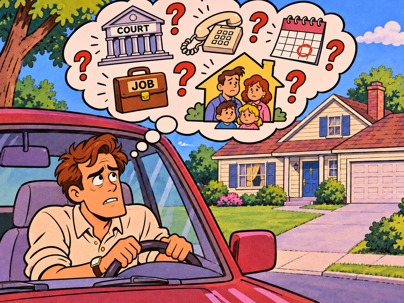
Will you lose your job? What will happen to your family? Will you be able to find employment if your arrest appears on a background check? Could you go to prison? Will you have to register as a sex offender?
At our law firm, we understand that these are real concerns. We understand that an arrest can have devastating consequences for an individual and their family, even before the criminal case reaches a courtroom.
We also understand that being accused of a crime is not the same as being convicted. You have constitutional rights, and you deserve an opportunity to understand the allegations and evaluate your legal options.
If you have been arrested for sexual exploitation of a minor, or believe you are under investigation, call (803) 359-3301 to schedule a confidential consultation. Our firm represents clients throughout South Carolina, and same-day appointments are typically available.
Why Are Sexual Exploitation of a Minor Arrests So Common in South Carolina?
Sexual exploitation of a minor investigations have become a regular focus of law enforcement activity throughout South Carolina.
The proliferation of online pornography, file-sharing networks, social media, messaging applications, and other internet services has dramatically changed how sexually explicit material is accessed and exchanged. Although viewing lawful adult pornography is not a criminal offense, these technologies have also created opportunities for the possession and distribution of illegal child sexual abuse material.
Federal, state, and local law enforcement agencies devote substantial resources to identifying and investigating these offenses.
The South Carolina Attorney General's Office coordinates the state's Internet Crimes Against Children Task Force, which includes participating law enforcement agencies throughout South Carolina. Investigations may involve local police departments, county sheriff's offices, the South Carolina Law Enforcement Division (SLED), Homeland Security Investigations, and other agencies.
Some investigations begin with information provided by electronic service providers through the National Center for Missing & Exploited Children. Others involve investigations into online file-sharing activity or electronic communications.
These investigations can result in search warrants, forensic examinations of electronic devices, and arrests involving multiple criminal charges.
People who have never previously been involved with the criminal justice system may suddenly find themselves facing serious felony accusations.
The Embarrassment, Publicity, and Employment Consequences Can Begin Immediately
One of the particularly difficult aspects of these cases is that the personal consequences often begin long before the first court appearance.
A search warrant executed at your home can attract considerable attention. Police vehicles in the driveway, investigators entering and leaving the residence, and the removal of electronic equipment may lead neighbors to speculate about what happened.
An arrest can bring even greater public attention.
South Carolina law enforcement agencies frequently announce arrests involving alleged sexual exploitation of minors. Local news organizations may publish the accused person's name, photograph, hometown, and details of the allegations.
Those reports can circulate through social media and remain available in internet searches.
For someone who has spent years building a career, raising children, or establishing a reputation in the community, the experience can be humiliating.
There may also be immediate financial consequences.
An employer might suspend or terminate someone after learning of an arrest. A professional licensing board may initiate an inquiry. A person looking for a new job may encounter difficulties passing criminal background checks, even though no conviction has occurred.
Depending on the circumstances, employment screenings, professional licensing requirements, and other background investigations can create significant problems while charges remain pending.
The criminal case may take months or longer to resolve, but your mortgage, household expenses, and family responsibilities continue.
When selecting a lawyer, it is important to discuss these immediate concerns, not simply the possibility of a prison sentence.
What Should You Discuss With a Lawyer After Being Charged?
You do not need to understand every legal issue or have all the answers before consulting an attorney. The purpose of the initial meeting is to explain what happened, discuss your concerns, and begin evaluating your situation.
Several subjects are particularly important.
1. What Do You Understand the Police Are Accusing You of Doing?
Begin by explaining what investigators told you.
Did they accuse you of downloading or possessing illegal images or videos? Did they suggest that material was distributed through an online account or file-sharing program? Were you questioned about a particular website, application, or electronic device?
Did investigators identify specific dates or activities?
Also explain whether you spoke with the police, participated in an interview, provided passwords, or signed any documents.
South Carolina recognizes three degrees of sexual exploitation of a minor. The statutes distinguish between different forms of alleged conduct, including production, distribution, receipt, and possession of prohibited material.
The particular charge determines what the prosecution must prove and affects the potential penalties.
Your attorney needs to understand what investigators are alleging before evaluating the possible legal issues.
Be honest about what happened, including any statements you made. Conversations with your own attorney for legal advice are protected by the attorney-client privilege, while conversations with friends, coworkers, or others may not be.
2. Was Your Home Searched, and What Property Did Police Take?
If law enforcement executed a search warrant, bring any paperwork you received, including the warrant and inventory of property seized.
Explain what happened during the search and identify the electronic devices taken by investigators.
Were computers, phones, tablets, external hard drives, or other devices removed? Were they used exclusively by you, or did other family members have access? These searches can be thorough, sometimes even including specially trained electronic search dogs.
These details may become important when evaluating allegations about possession, knowledge, and control of electronic material.
Your attorney should examine the circumstances of the search and determine whether potential constitutional issues need to be investigated.
Search warrants and digital evidence can involve complicated legal questions. Do not assume that every search was lawful simply because investigators obtained a warrant, or that every file discovered on a device necessarily establishes criminal responsibility.
Ask how your attorney will evaluate the search warrant and the evidence obtained.
Do not delete, alter, destroy, or remotely erase potential evidence. Discuss the proper handling of electronic devices and accounts with your lawyer.
3. If You Have Been Arrested, What Are Your Bond Conditions?
If you have been released on bond, bring a copy of your bond paperwork.
Depending on the circumstances, the court may impose conditions restricting internet access, electronic device usage, travel, or contact with minors.
These restrictions can create immediate difficulties.
What if your employment requires internet access? What if minor children live in your home? What if you need a smartphone to perform your job?
Explain these concerns to the attorney and ask whether any bond modifications should be requested.
In appropriate circumstances, an attorney may seek changes to bond conditions, but the court must approve those changes.
Until a condition is modified by the court, you must comply with it. Violating bond conditions can lead to serious consequences, including possible revocation of your bond.
4. Have You Been Investigated or Charged With a Crime Before?
Your attorney should know about your prior criminal history, including previous arrests, convictions, pending charges, and earlier investigations.
This includes matters that were dismissed or did not result in formal charges.
If you have previously been investigated for allegations involving electronic devices, online activity, or sexual offenses, disclose that information.
Certain prior convictions can affect the potential penalties for sexual exploitation offenses, and your complete criminal history may also be relevant to other aspects of the case.
The purpose of this discussion is not to judge your past. It is to ensure your attorney has the information needed to understand your present circumstances.
5. How Will the Attorney Evaluate the Digital Evidence?
Electronic evidence is frequently central to sexual exploitation prosecutions.
Investigators may rely on files recovered from computers, information obtained from internet service providers, online communications, or forensic examinations of electronic devices.
The presence of a file on a device may raise important questions about how it arrived there, who had access to it, and whether the accused person knowingly possessed or distributed the material.
The significance of those questions depends on the precise charge and evidence.
Ask how the attorney intends to review the digital evidence. Will forensic reports be examined? Could an independent forensic professional be helpful? Are there potential legal challenges concerning how the evidence was obtained?
Not every case requires an independent forensic examination, but an attorney should be prepared to explain how technical evidence will be evaluated.
A meaningful defense strategy must be based on the actual evidence, not simply the allegations appearing in an arrest warrant or newspaper article.
6. What Are the Potential Prison Sentences and Sex Offender Registration Requirements?
The possibility of incarceration and sex offender registration is understandably among the greatest concerns for someone facing these charges.
South Carolina law provides serious penalties for sexual exploitation of a minor.
Under amendments effective May 18, 2026, first-degree sexual exploitation generally carries a prison sentence of five to twenty years, while second-degree sexual exploitation generally carries three to ten years.
Third-degree sexual exploitation carries a maximum sentence of ten years, with applicable minimum sentences varying based on the number of images involved and other statutory circumstances.
The date of the alleged conduct is important because earlier versions of the statutes may apply to offenses committed before the amendments became effective.
The number of charges and any prior qualifying convictions may also significantly affect potential sentencing exposure.
Ask the attorney to explain the penalties applicable to your particular charges, including any mandatory minimum sentences and the effect of multiple counts.
You should also discuss South Carolina's sex offender registration requirements.
Convictions for these offenses trigger registration obligations, although the applicable classification and long-term requirements depend on the offense and circumstances.
Registration can affect employment, housing, privacy, and everyday life. Ask whether registration would be required, what obligations would apply, and whether any future removal process might be available.
Understanding these possibilities is essential, but it does not mean that a conviction or particular sentence is inevitable.
7. How Long Will the Case Take in the County Where You Are Charged?
One of the first questions people ask after an arrest is how long the case will take.
Unfortunately, there is no single answer that applies throughout South Carolina.
Our law firm represents clients statewide, and criminal cases can proceed at different speeds depending on the county where charges are pending.
Court schedules, prosecutorial practices, the volume of pending cases, and the availability of evidence can all affect the timeline.
Sexual exploitation cases may also involve extensive forensic examinations and substantial digital evidence, which can take time to obtain and review.
Ask about the attorney's familiarity with the county where your case is pending and what you should realistically expect.
Discuss when discovery materials may become available, what court appearances might be required, and what factors could delay the case.
No attorney can guarantee a particular timeline, but an informed discussion can help you prepare for the months ahead.
How Should You Choose a Lawyer for a Sexual Exploitation Case?
Selecting an attorney is one of the most important decisions you will make after an arrest.
Beyond explaining the facts of your case, ask about the lawyer's experience handling serious felony charges, cases involving electronic evidence, and criminal proceedings in the county where you are charged.
Find out how communications will be managed, and what services are included in the legal fee.
If independent forensic analysis or investigative assistance may be necessary, ask how those expenses would be addressed.
You should feel comfortable asking questions and discussing personal matters that may be difficult or embarrassing.
Be cautious of anyone who guarantees that charges will be dismissed, promises that you will avoid prison, or predicts a particular outcome without thoroughly reviewing the evidence. It's impossible for any attorney to guarantee or promise any specific outcome in a criminal matter.
What you should expect is a realistic evaluation of your situation, an explanation of the legal process, and a clear understanding of how the attorney intends to approach your case.
What if You Are Under Investigation but Have Not Been Arrested?
Sometimes individuals learn they are under investigation after officers execute a search warrant or request an interview, but no arrest has occurred.
If you believe you are being investigated for sexual exploitation of a minor, you do not have to wait until charges are filed to contact an attorney.
Early legal advice may help you understand your rights, respond appropriately to investigators, and avoid decisions that could complicate your situation.
An attorney may also communicate with law enforcement on your behalf and begin evaluating important legal issues.
Although retaining counsel cannot guarantee that an arrest will be prevented, obtaining legal advice before making statements or other decisions can be particularly important and some situations can help you avoid an arrest.
You Do Not Have to Face the Uncertainty Alone
An arrest for sexual exploitation of a minor may leave you feeling that your entire future is at risk.
You may be worried about losing your career, your marriage, your reputation, and your freedom. You may be embarrassed to face your neighbors or frightened about what your family will experience.
We understand that these are deeply personal concerns.
We also understand that no lawyer can erase what has happened or promise a particular outcome.
What an attorney can do is help you understand the allegations, examine the evidence, protect your legal rights, and make informed decisions about the challenges ahead.
Our firm represents clients charged with serious criminal offenses throughout South Carolina, including sexual exploitation of a minor.
If you have been arrested or believe you are under investigation, call (803) 359-3301 to schedule a confidential consultation. Same-day appointments are typically available.
Your circumstances deserve individual attention, and understanding your legal options is an important first step.
Disclaimer: This article provides general information about South Carolina criminal law and is not legal advice for any particular situation. Every case is unique, and the appropriate legal strategy depends on the specific facts and circumstances involved. Prior results obtained by the attorney in one matter do not indicate or guarantee that similar results can be obtained for other clients in other matters. Reading this article does not establish an attorney-client relationship.